OUR APPROACH
Better Living
by Design.
Make the place you have work harder for the life you want.
Start with the life you want to share. We help connect the way your household runs, the spaces you use, and the places you enjoy—then plan the changes that bring them together.
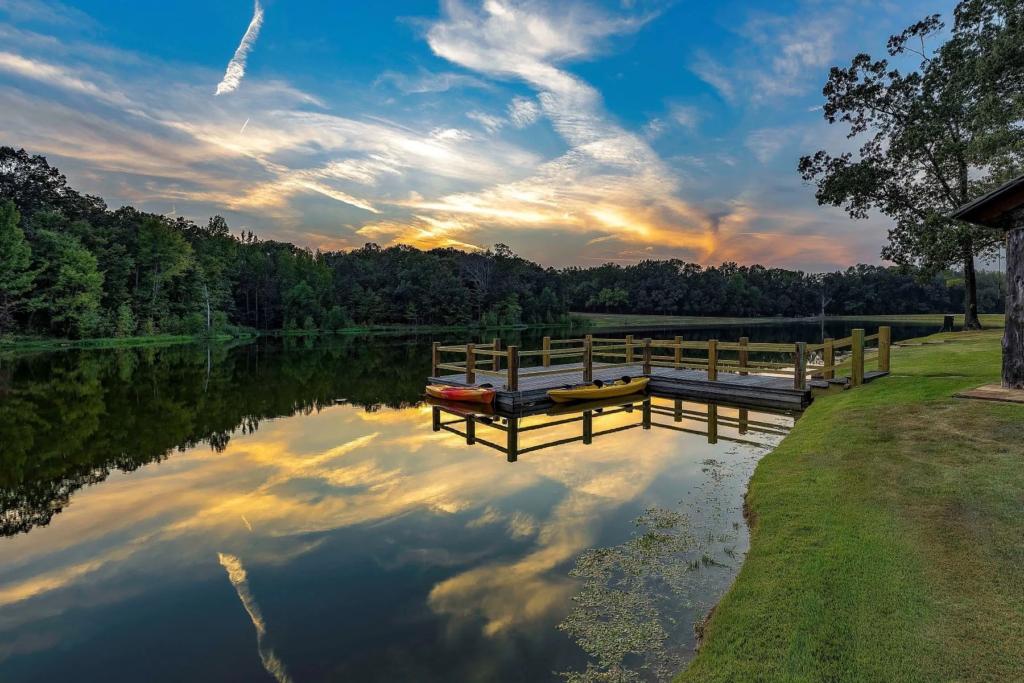
Look beyond the individual project
A better room does not always make a better day.
A new building can add maintenance without making gathering easier. A beautiful outdoor space may sit unused if getting everyone outside is difficult. A better routine can fail when the home works against it.
THE QUESTION BEHIND THE PROJECT
What do we want life here to make possible?
Then ask what the place, the people, and the daily work need to do differently.
One living environment
Start with the connections.
We look at three things together. A change to one affects the other two.
01 / THE PLACE
Environment
The land, the home, and the buildings around it. The paths, water, power, and everyday care that make them useful.
What does this place support—or prevent?
02 / THE PEOPLE
People
Family, guests, and the people who care for the place. Their priorities, abilities, relationships, and responsibilities.
Who needs it to work, and in what way?
03 / THE LIFE
Activities
The work, recreation, rest, and traditions you want to make room for—on ordinary days as well as special occasions.
What do you want to do more often?
WHAT KEEPS IT WORKING
Time & money · Household routines · Equipment & services · Care & stewardship
Living Systems is our evolving method for connecting these decisions and learning from how life actually works.
You should not have to connect every detail on your own. DEVCO helps everyone work toward the same picture of what you want. Licensed and specialist work stays with qualified professionals.
ILLUSTRATIVE SCENARIO · NOT A DEVCO CASE STUDY
One property. A better weekend.
Imagine a family-owned property with a home, an outbuilding, woodland, and water. The family wants more unhurried time outdoors and easier weekends with friends. The first answer may not be another building.
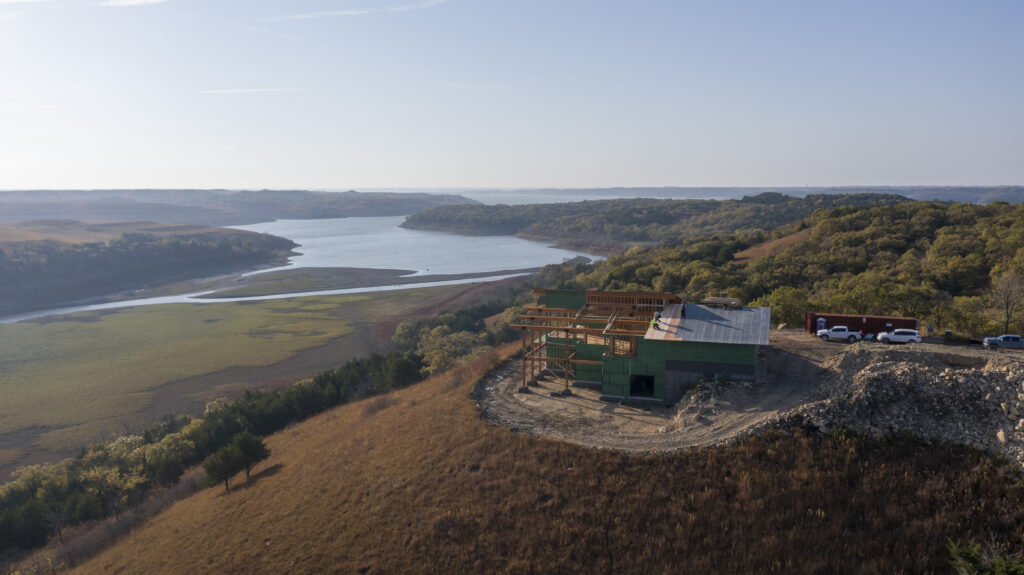
Begin with the experience: arrive easily, get outside, share a meal, and leave the place ready for next time.
01 / Make getting outside easier
Connect parking, gear storage, and a suitable route to the water. Consider different ages and abilities, drainage, weather, habitat, and the work of keeping the route usable. A trail decision also becomes an access and maintenance decision.
02 / Give the gathering a workable home
Test whether an existing outbuilding could support changing, equipment, or shelter before adding space. Review its condition, services, and permitted use with the appropriate professionals. Cooking, seating, toilets, and cleanup belong in the same plan.
03 / Take the burden off the host
Agree on arrival times, meals, shared responsibilities, and a simple close-down routine. Store the things people need where they use them. The building can help the household—and the household determines whether the building earns its keep.
04 / Put investment in a useful order
Compare small trials with larger commitments. Separate urgent condition issues from optional improvements. Consider ongoing cost, seasonal care, and who will do the work before choosing what to fund first.
THE CONNECTION
A route, a room, and a routine can support the same good day.
Test the idea with a modest gathering. Notice what worked and what made the day harder. Use that experience to shape the next improvement—not just a longer wish list.
From possibility to useful work
A clear direction. Room to learn.
We agree on the initial scope, responsibilities, and fee before paid work begins. The path can start with a household priority, a property walk, or a time-sensitive project.
01
Discover
Understand the life you want, the people involved, and what matters most.
Working focus: A shared purpose and priorities.
02
Evaluate
Look at what you have, what works, what needs care, and the time and money available.
Working focus: What to keep, investigate, or change.
03
Plan
Decide what comes first, what it will take, and who can help.
Working focus: An agreed sequence of work.
04
Develop
Bring the agreed improvements together, with clear responsibilities and the right specialists.
Working focus: Clear decisions and work ready to use.
05
Improve
Enjoy the place, keep it cared for, and adjust as your family’s needs change.
Working focus: A place that continues to serve its purpose.
The depth of each stage depends on the engagement. Ongoing work is agreed separately; a first conversation does not commit you to a program.
Better use of what you have
Make investment serve the life—not the other way around.
We look for useful connections before adding more complexity. The value comes from decisions that fit the owner, the place, and its long-term purpose.
See existing assets differently
Consider whether a neglected room, difficult route, or underused building can serve a more useful purpose.
Put purpose behind the budget
Weigh what each improvement will give you, what it will cost, and the work of caring for it.
Reduce disconnected decisions
Keep your priorities clear as decisions are made about your home, household, and property.
Plan for the life of the place
Include maintenance, environmental stewardship, resources, and changing needs from the beginning.
Three entrances. One approach.
Begin where the opportunity is.
Land, buildings, and household life belong to one environment. Explore the decisions most relevant to you now.
THE PLACE
Land & Properties
Make your land easier to enjoy, gather on, and care for over time.
THE SPACES
Buildings & Projects
Make rooms and buildings easier to use, comfortable to spend time in, and practical to care for.
THE EVERYDAY
Home & Household
People, priorities, routines, and a home that supports the life you want together.

CHRISTIAN & SYDNEY DODGE
What could work better together?
Tell us what you have, what you would love life there to become, and what gets in the way today. We’ll begin with a conversation and identify an appropriate next step.